Categories
Guide

Plumbing Emergencies: What Every Hermanus Household Should Keep On Hand.

Let’s be honest — plumbing problems never strike at a convenient time. A burst pipe, leaky tap, or blocked drain can turn your day upside down, especially in coastal towns like Hermanus where salty air and shifting ground can wear down pipes faster than you think.

While a professional plumber is always the best call for big jobs, having a few key items on hand can help you manage small plumbing emergencies — or at least buy you some time until help arrives. Here’s what every Hermanus home should keep in their emergency DIY kit.

1. A Reliable Plunger For Plumbing Emergencies Hermanus

From blocked toilets to slow-draining sinks, a plunger is your first line of defence. Make sure you have one for the bathroom and another for the kitchen — hygiene matters!

2. Pipe Sealing Tape (aka Plumber’s Tape)

Perfect for stopping minor leaks and drips on threaded pipe joints. Keep a roll or two in your toolbox — it’s cheap, easy to use, and surprisingly effective.

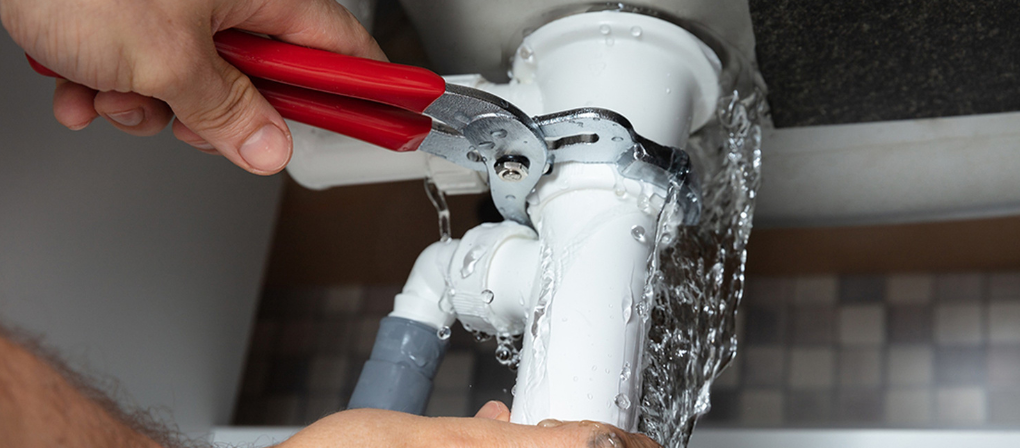
3. Adjustable Wrench or Spanner

When fittings come loose, an adjustable wrench helps tighten things without damaging the pipework. Choose a good quality one — it’ll last for years.

4. Spare Washers and Tap Seals

A worn washer is often the culprit behind a leaking tap. Having a small variety of washers on hand means you can fix a drip in minutes without a trip to the store.

5. Bucket, Old Towels, and a Torch

Simple but essential. Use these when things go wrong to catch leaks, clean up spills, and inspect dark corners under sinks or geysers.

6. Multipurpose Silicone Sealant

Perfect for sealing joints or plugging small leaks temporarily. It’s waterproof, flexible, and can help prevent further damage until permanent repairs are made.

Why Preparation Matters in Hermanus

Coastal moisture, ageing infrastructure, and the occasional cold snap make plumbing issues more common here than in other parts of the country. Being prepared isn’t just smart — it’s essential.

Everything You Need, Right Here in Town

Build it Hermanus stocks all the plumbing tools, tapes, and emergency supplies you’ll need — plus expert advice if you’re unsure what to buy. Pop in and ask our team, or send us a WhatsApp and we’ll get your kit ready for collection. Contact us for all your plumbing emergencies Hermanus, we have all the tools and equipment you need.

Visit our Official Facebook Page for the latest tips & tricks, Build it Hermanus Facebook Page.

Categories
Guide

How to Paint the Roof of Your House: A Step-by-Step Guide

Painting your roof is a simple yet effective way to enhance your home’s appearance and provide long-term protection against the elements. With the right roof paint, you can improve curb appeal, increase property value, and extend the life of your roof. 

However, painting a roof requires careful preparation, the right materials, and attention to detail.

In this guide, we’ll walk you through the process of painting your roof step by step, ensuring you achieve professional-looking results. 

At Build it Hermanus, we stock premium-quality roof paint and all the tools you need to get the job done right.

Why Paint Your Roof?

A fresh coat of roof paint does more than make your home look good. It protects your roof from:

  • Weather Damage: Prevents leaks, rust, and wear caused by sun, rain, and wind.
  • UV Rays: Reflective paints reduce heat absorption, keeping your home cooler.
  • Moisture: High-quality roof paint resists water and prevents mould or mildew.
  • Aging: Paint adds an extra layer of protection, extending the lifespan of your roof.

Tools and Materials You’ll Need

Before starting, gather all the necessary tools and materials. Everything you need can be found at Build it Hermanus.

Materials:
  • Roof paint
  • Roof primer
  • Roof cleaner
  • Painter’s tape
  • Plastic sheeting
  • Water
  • Soft-bristle scrub brush
  • Safety goggles
  • Dust mask
  • Gloves
Tools:
  • Pressure washer
  • Ladder
  • Paint roller with a long handle
  • Paintbrush
  • Paint tray
  • Wire brush

Step-by-Step Guide to Painting Your Roof

Step 1: Clean the Roof

A clean roof ensures the roof paint adheres properly.

  1. Remove debris like leaves and branches.
  2. Use a pressure washer to remove dirt and grime.
  3. Apply roof cleaner mixed with water.
  4. Scrub gently with a soft-bristle brush.
  5. Rinse with a pressure washer and allow the roof to dry completely (this may take a few days).

Step 2: Prepare the Work Area

Protect the surrounding area before painting.

  1. Spread plastic sheeting around the base of your house to shield plants and surfaces.
  2. Secure the sheeting with painter’s tape.
  3. Ensure you have a stable ladder and a clear workspace for safety.

Step 3: Prime the Roof

If your roof hasn’t been painted before or it’s been a long time since the last coat, applying a roof primer is essential.

  1. Stir the roof primer thoroughly.
  2. Use a paint roller for large areas and a paintbrush for edges and corners.
  3. Let the primer dry completely before proceeding.

Step 4: Apply Roof Paint

Choose a high-quality roof paint for durability and weather resistance.

  1. Stir the paint well to ensure even consistency.
  2. Use a roller with a long handle for broad surfaces and a brush for tight spaces.
  3. Apply thin, even coats and allow each coat to dry before applying the next.
  4. Depending on the paint type, you may need 2-3 coats for full coverage.

Step 5: Inspect and Touch Up

After the paint has dried:

  1. Inspect the roof for missed spots.
  2. Use a paintbrush to touch up any areas requiring additional coverage.

Step 6: Clean Up

  1. Clean all tools and equipment according to the manufacturer’s instructions.
  2. Properly dispose of plastic sheeting, painter’s tape, and other waste materials.

Safety Tips for Painting Your Roof

Painting a roof comes with some risks, so take the necessary precautions:

  • Wear protective gear: Safety goggles, a dust mask, gloves, and a long-sleeved shirt.
  • Use a sturdy ladder: Ensure it’s positioned on a flat surface and follow ladder safety guidelines.
  • Avoid painting in extreme weather: High winds or direct sunlight can make painting difficult.

Why Choose Build it Hermanus for Your Roof Painting Needs?

At Build it Hermanus, we offer:

  • Premium Roof Paint: Durable, weather-resistant options for any roof type.
  • Expert Advice: Our knowledgeable staff can help you choose the right products.
  • All-in-One Shopping: From roof primer to paint brushes, find everything you need under one roof.

Painting your roof with high-quality roof paint not only revitalizes your home’s appearance but also provides essential protection against South Africa’s harsh weather conditions. 

With the right preparation, tools, and techniques, you can achieve a professional-looking finish that lasts for years.

Visit Build it Hermanus today to explore our range of top-quality roof paints and supplies. 

Whether you’re tackling a DIY project or working with a contractor, we’re here to help you every step of the way.

Follow us on social media, to stay up to date with our latest sizzling specials and promotional offers!

Build it Hermanus offers added value services in respect of hardware retailing; embracing all activity within the building materials industry, focusing specifically on the building of; urban, township, rural housing as well as all home improvements and do it yourself.

Build it is a division of the SPAR Group Limited South Africa. A voluntary trading group of individually owned retail stores with more than 10 000 employees across the group, we currently have stores in South Africa, Namibia, Swaziland, Lesotho and Mozambique with plans to expand into Botswana and Zambia in the near future. We view ourselves not only as a supplier of materials, but as a partner to our valued customers in accomplishing their building or renovating projects.
 

Categories
Guide

A Complete Guide to Choosing the Best Interior Paint for Your Home.

Selecting the right interior paint is essential for achieving the perfect look and durability for your home. Whether you’re refreshing a single room or embarking on a full renovation, choosing high-quality interior paint can make all the difference. 

With so many options available, each suited for different surfaces and conditions, making an informed decision is crucial.

At Build it Hermanus, we’re proud to stock a wide range of interior paint from trusted brands like Duram Paint, helping you transform your living spaces into beautifully finished areas. 

In this guide, we’ll explore the different types of interior paint, their benefits, and how to choose the right product for your needs.

Why Interior Paint Matters

Interior paint isn’t just about aesthetics—it also protects your walls, adds personality to your spaces, and improves the longevity of your home’s surfaces. 

The right interior paint will resist stains, stand up to frequent cleaning, and handle specific environmental challenges, like high humidity in bathrooms or scuffing in high-traffic areas.

Duram Paint: A Trusted Choice for Interior Paint

Duram Paint is a South African brand known for creating durable and high-performance paints suited for the country’s unique climate conditions. 

Whether you need a matt finish for a bedroom, a satin sheen for a living room, or moisture-resistant paint for a bathroom, Duram offers a product to match every requirement.

Key Features of Duram Interior Paint:

  • Durability: Designed to resist wear and tear, Duram paints are perfect for high-traffic areas.
  • Climate-Resistant: Developed for South African conditions, ensuring lasting performance.
  • Variety of Finishes: From elegant matt to satin and gloss, Duram paints cater to all aesthetic preferences.

Choosing the Right Interior Paint for Different Rooms

Different rooms in your home have unique needs, and the type of interior paint you choose should align with those requirements. Here’s a breakdown of the best options:

1. Bedrooms

Recommended Paint: Duram Classic Matt

  • Why It’s Perfect:
    • A luxurious matt finish that diffuses light and hides wall imperfections.
    • Durable enough for busy households.
    • Washable and quick drying, making it practical for family homes.

Tip: Pair softer, calming tones with a matt finish to create a tranquil environment.

2. Living Rooms

Recommended Paint: Duram Satin Touch

  • Why It’s Perfect:
    • Elegant satin finish for a polished and sophisticated look.
    • Fully washable, with resistance to stains and scrubbing.
    • Water-based for easy cleanup and a faster drying process.

Tip: Neutral shades with a satin sheen can make your living room feel spacious and inviting.

3. Bathrooms and Kitchens

Recommended Paint: Duram Bathroom and Kitchen Low-Sheen

  • Why It’s Perfect:
    • Specifically formulated to handle moisture and condensation.
    • Contains silver ion technology for enhanced hygiene and antibacterial properties.
    • Easy to clean and dries quickly, even in high-humidity spaces.

Tip: Light colours can help small kitchens and bathrooms feel larger, while low-sheen finishes resist mildew.

4. Trims, Doors, and Windows

Recommended Paint: Duram Enamel & Trim

  • Why It’s Perfect:
    • Semi-gloss enamel for a smooth, hardwearing finish.
    • Scratch, stain, and UV resistant, ensuring long-lasting results.
    • Water-based formula allows for quick application and cleanup.

Tip: Use bold or contrasting colours on trims and doors to create visual interest in your spaces.

Tips for Choosing Interior Paint

1. Assess Room Conditions

Consider the lighting, humidity, and level of activity in each room. For example, a matt finish works well in low-traffic areas, while a satin or gloss finish is better for high-traffic or high-moisture spaces.

2. Prioritize Durability

Rooms like kitchens, bathrooms, and hallways experience more wear and tear, so choose paints designed for frequent cleaning and long-term durability.

3. Use Colour Tinting Services

At Build it Hermanus, we offer professional colour tinting services so you can customize your interior paint to match your design vision.

4. Test Colours First

Paint a small section of the wall to see how the colour looks under different lighting conditions throughout the day. This will help you make a confident decision.

Benefits of Choosing High-Quality Interior Paint

Using premium-quality interior paint like Duram offers several advantages:

  • Enhanced Durability: Resists stains, scratches, and frequent washing, ensuring a long-lasting finish.
  • Aesthetic Appeal: Creates a professional, polished look with a variety of finishes.
  • Healthier Spaces: Low-VOC paints improve indoor air quality and are safer for your family.
  • Cost Savings: High-quality paint often requires fewer coats, saving time and money.

Transform Your Home

The right interior paint can transform your home, enhancing both its appearance and functionality. 

From relaxing bedrooms to durable kitchens, choosing the right paint ensures that your spaces are not only beautiful but also practical and long-lasting. 

At Build it Hermanus, we’re here to help you find the perfect paint for every room in your home.

Visit our store today to explore the extensive Duram Paint range and experience the difference that high-quality products can make. 

Whether you’re tackling a DIY project or working with a professional, we have everything you need to bring your vision to life.

Follow us on social media, to stay up to date with our latest sizzling specials and promotional offers!

Build it Hermanus offers added value services in respect of hardware retailing; embracing all activity within the building materials industry, focusing specifically on the building of; urban, township, rural housing as well as all home improvements and do it yourself.

Build it is a division of the SPAR Group Limited South Africa. A voluntary trading group of individually owned retail stores with more than 10 000 employees across the group, we currently have stores in South Africa, Namibia, Swaziland, Lesotho and Mozambique with plans to expand into Botswana and Zambia in the near future. We view ourselves not only as a supplier of materials, but as a partner to our valued customers in accomplishing their building or renovating projects.
Categories
Guide

How Many Bags of Cement for 1000 Bricks? A Guide for Builders in Hermanus

When embarking on any building project, whether it’s a wall or a house, knowing how much cement you need for laying bricks is essential for budget and project planning. If you’re building in Hermanus, a coastal town with its own unique environmental factors, it’s important to get accurate estimates to ensure efficient construction. So, how many bags of cement do you need for 1000 bricks?

In this guide, we’ll break down the calculation and give you some practical tips for your next building project.

Factors Affecting Cement Usage

To accurately estimate how many bags of cement you’ll need for 1000 bricks, several factors come into play:

  1. Brick Size: The size of the brick will influence how much mortar is needed. In South Africa, standard brick sizes like Stock Bricks, Maxi Bricks, and Clay Bricks are commonly used.
  2. Mortar Mix Ratio: The type of mix you use affects how much cement is needed. A common mortar mix ratio for bricklaying in South Africa is 1:6 (one part cement to six parts sand). However, for stronger or more durable walls, a mix of 1:5 is often used.
  3. Mortar Thickness: The thickness of the mortar joints, typically 10mm, also influences cement usage. Thicker joints will require more mortar, which in turn requires more cement.
  4. Type of Project: Whether you’re building a single-skin wall, double-skin wall, or other brick structures also impacts how much cement you need.

Common Brick Types in Hermanus

Before diving into the cement calculation, let’s take a quick look at the most common brick types used in Hermanus:

  1. Standard Stock Bricks (Imperial size): 222mm x 106mm x 73mm
  2. Maxi Bricks: 290mm x 140mm x 90mm
  3. Clay Bricks: 222mm x 106mm x 73mm

These brick types will all require slightly different amounts of mortar, and by extension, different quantities of cement.

Calculating Cement for 1000 Bricks

For the purpose of this guide, we’ll use a standard 1:6 mix ratio (one part cement to six parts sand), which is commonly used for bricklaying in South Africa.

How Much Mortar is Needed for 1000 Bricks?

On average, laying 1000 bricks requires about 0.3 cubic meters of mortar. This is a general figure, but it can vary based on brick size and mortar joint thickness.

How Many Bags of Cement for 0.3 Cubic Meters of Mortar?

To make 1 cubic meter of mortar in a 1:6 mix, you’ll need about 7 bags of cement (50kg each). Since laying 1000 bricks requires 0.3 cubic meters of mortar, the calculation would be:

  • 0.3 cubic meters of mortar = 0.3 x 7 bags of cement
  • Total cement bags needed = 2.1 bags of cement

So, to lay 1000 bricks, you’ll need approximately 2 to 3 bags of cement, depending on the brick size and the exact thickness of the mortar joints.

Adjusting for Brick Types

Different brick types may slightly alter how much mortar is needed, so let’s adjust the calculation based on the most common bricks used in Hermanus.

1. Standard Stock Bricks

For standard stock bricks, you will likely use the standard 0.3 cubic meters of mortar for 1000 bricks. Therefore, 2 to 3 bags of cement will be needed for this type of brick.

2. Maxi Bricks

Maxi bricks are larger than standard bricks, meaning fewer bricks are needed per square meter. This slightly reduces the amount of mortar required:

  • You’ll typically need 1.5 to 2 bags of cement for 1000 Maxi bricks.

3. Clay Bricks

Clay bricks are similar in size to stock bricks, so the cement requirement will be about the same:

  • 2 to 3 bags of cement for 1000 clay bricks.

Other Considerations for Cement Usage in Hermanus

  1. Weather Conditions: Hermanus is a coastal town, so it’s important to use a strong, durable mortar that can withstand the moisture and salt in the air. This may require adjusting the mortar mix or using an additive to increase strength and durability.
  2. Mortar Consistency: When mixing mortar, ensure it has the right consistency—not too wet or too dry—so it can hold the bricks in place while offering strong binding. Improper consistency can affect the amount of cement used.
  3. Wastage Factor: Always factor in some extra cement to cover waste. A typical allowance is around 5-10%, especially for large projects.
  4. Project Type: For load-bearing walls or double-skin walls, you may need a stronger mortar mix (like 1:5), which would increase the cement usage. In this case, expect to use closer to 3 bags of cement for 1000 bricks.

Conclusion

In conclusion, the amount of cement required to lay 1000 bricks in Hermanus depends on several factors, including brick type, mortar mix, and wall thickness. On average, you’ll need approximately:

  • 2 to 3 bags of cement for standard stock or clay bricks.
  • 1.5 to 2 bags of cement for larger Maxi bricks.

By considering the local conditions in Hermanus, such as the coastal weather and the durability requirements of your mortar, you can plan your cement needs more accurately and avoid unnecessary costs.


FAQs

1. How many bags of cement are needed for 1000 bricks using a 1:5 mix ratio?
If you’re using a stronger 1:5 mix, you’ll need slightly more cement. Expect to use 3 to 4 bags of cement for 1000 bricks.

2. Can I use a different mortar mix for building in Hermanus?
Yes, you can adjust the mortar mix depending on the project and the weather conditions. For coastal areas like Hermanus, you might opt for a stronger mix or use additives to enhance durability.

3. How do mortar joints affect the amount of cement needed?
Thicker mortar joints require more mortar, which in turn increases the amount of cement used. Standard mortar joints are around 10mm thick.

By following this guide, you’ll have a clear understanding of how many bags of cement are needed for laying 1000 bricks in your next construction project in Hermanus.

Follow our Hermanus Build it Facebook page for more information, or visit our product page for an overview of the products on offer from us.

Categories
Guide

Understanding Building Supplies, A Comprehensive Guide for Every Project.

When it comes to starting any construction or renovation project, the importance of choosing the right building supplies cannot be overstated. 

Whether you’re a seasoned contractor or a DIY enthusiast, selecting high-quality materials is essential for ensuring the durability and success of your project. 

At Build it Hermanus, we understand the complexities of construction and are here to guide you through the process of choosing the best building supplies to meet your specific needs.

What Are Building Supplies?

Building supplies refer to the materials, products, and tools necessary for constructing, renovating, or maintaining a structure. 

These can range from basic materials like cement, bricks, and timber to more specialized items such as insulation, roofing materials, and plumbing fixtures. 

Each material has a specific role in the construction process, contributing to the overall integrity and functionality of the final structure.

The Importance of Quality Building Supplies

Quality is paramount when it comes to building supplies. Using substandard materials can lead to structural failures, costly repairs, and even safety hazards. 

On the other hand, investing in high-quality supplies ensures longevity, safety, and peace of mind. 

High-quality materials not only improve the aesthetics of a building but also enhance its durability and resistance to environmental factors.

Types of Building Supplies

  1. Cement and Concrete

Cement is the backbone of most construction projects. It acts as a binding agent when mixed with sand, gravel, and water to form concrete

Concrete is widely used in foundations, flooring, walls, and other structural elements. 

The quality of cement directly affects the strength and stability of the concrete, making it a critical component in construction.

  1. Bricks and Blocks

Bricks and blocks are fundamental building materials used for constructing walls, partitions, and other load-bearing structures. 

They come in various sizes, shapes, and materials, including clay, concrete, and fly ash

The choice between bricks and blocks depends on factors such as cost, availability, and the specific requirements of the project.

  1. Timber and Wood Products

Timber is a versatile building material used in framing, flooring, roofing, and interior finishes. 

It is available in various types, including hardwoods and softwoods, each with its own set of properties. 

Structural timber is often treated to enhance its resistance to pests and moisture, ensuring long-term durability.

  1. Roofing Materials

Roofing materials protect the structure from the elements and contribute to its aesthetic appeal. 

Common roofing materials include tiles, metal sheets, shingles, and thatch. The choice of roofing material depends on factors such as climate, budget, and architectural style.

  1. Insulation Materials

Insulation is essential for regulating the temperature within a building and reducing energy costs. 

Common insulation materials include fiberglass, foam, and reflective foil

Proper insulation not only enhances comfort but also contributes to energy efficiency and environmental sustainability.

  1. Plumbing Supplies

Plumbing supplies include pipes, fittings, fixtures, and other components necessary for water supply and drainage systems. 

High-quality plumbing materials are crucial for preventing leaks, maintaining water pressure, and ensuring the longevity of the plumbing system.

  1. Electrical Supplies

Electrical supplies encompass wiring, conduits, switches, outlets, and lighting fixtures. Proper selection and installation of electrical materials are vital for safety and functionality. 

High-quality electrical supplies reduce the risk of electrical fires and ensure a reliable power supply.

  1. Paint and Finishes

Paint and finishes not only protect surfaces but also add aesthetic value to a building. They come in various types, including oil-based, water-based, and specialty paints

The right choice of paint and finishes can enhance the appearance and durability of walls, floors, and other surfaces.

How to Choose the Right Building Supplies

Choosing the right building supplies involves considering several factors:

  1. Project Requirements

The specific needs of your project will determine the type and quantity of materials required. 

For instance, a large commercial project will require different supplies compared to a small home renovation.

  1. Quality and Durability

Always prioritize quality over cost. High-quality materials may be more expensive initially, but they offer better durability and long-term savings.

  1. Budget

While it’s important to stay within budget, avoid compromising on quality. Look for suppliers that offer competitive prices without sacrificing the integrity of the materials.

  1. Supplier Reputation

Choose a reputable supplier with a proven track record of providing high-quality building supplies. 

A reliable supplier will offer not only materials but also expert advice and customer support.

  1. Environmental Impact

Consider the environmental impact of your building materials. Opt for sustainable and eco-friendly options when possible, to reduce your carbon footprint and promote environmental sustainability.

Benefits of Using Quality Building Supplies

Using high-quality building supplies offers several benefits:

  1. Enhanced Durability

Quality materials are more durable, reducing the need for frequent repairs and replacements. 

This longevity translates into cost savings over time.

  1. Safety

Using reliable materials ensures that the structure meets safety standards, protecting occupants from potential hazards.

  1. Aesthetic Appeal

High-quality finishes and materials enhance the visual appeal of the building, adding value to the property.

  1. Energy Efficiency

Proper insulation, windows, and roofing materials contribute to energy efficiency, reducing heating and cooling costs.

  1. Environmental Sustainability

Eco-friendly materials reduce the environmental impact of construction, promoting sustainability and conservation.

Where to Buy Quality Building Supplies

At Build it Hermanus, we offer a comprehensive range of building supplies to meet the needs of both professional contractors and DIY enthusiasts. 

Our products are sourced from reputable manufacturers, ensuring the highest standards of quality and reliability. 

Whether you’re working on a large-scale construction project or a small home renovation, we have the materials and expertise to support your endeavour.

Choosing the right building supplies is crucial for the success of any construction or renovation project. 

By understanding the different types of materials available and considering factors such as quality, durability, and environmental impact, you can make informed decisions that will enhance the outcome of your project. 

At Build it Hermanus, we are committed to providing top-quality building materials to help you achieve your construction goals. 

Visit us today to explore our wide selection of building supplies and receive expert advice tailored to your needs.

Build it right with Build it Hermanus!

Follow us on social media, to stay up to date with our latest sizzling specials and promotional offers.

Build it Hermanus offers added value services in respect of hardware retailing; embracing all activity within the building materials industry, focusing specifically on the building of; urban, township, rural housing as well as all home improvements and do it yourself.

Build it is a division of the SPAR Group Limited South Africa. A voluntary trading group of individually owned retail stores with more than 10 000 employees across the group, we currently have stores in South Africa, Namibia, Swaziland, Lesotho and Mozambique with plans to expand into Botswana and Zambia in the near future. We view ourselves not only as a supplier of materials, but as a partner to our valued customers in accomplishing their building or renovating projects.

Categories
Guide

Roofing Materials in Hermanus, Your Comprehensive Guide to Quality and Durability.

When it comes to building or renovating a home in Hermanus, choosing the right roofing materials is one of the most critical decisions you’ll make. The roof not only protects your home from the elements but also plays a significant role in the overall aesthetic appeal and energy efficiency of your property. At Build it Hermanus, we understand the importance of high-quality roofing materials, and we’re here to guide you through your options.

Understanding Your Roofing Material Options

Roofing materials come in a variety of types, each offering unique benefits and suited to different climates and architectural styles. Here in Hermanus, where the weather can range from sunny and warm to cold and wet, it’s essential to choose materials that can withstand these varying conditions.

1. Metal Roofing

Metal roofing is a popular choice in Hermanus due to its durability and resistance to harsh weather conditions. Made from materials like steel or aluminum, metal roofs are known for their longevity, often lasting 40-70 years with proper maintenance. They are also energy-efficient, reflecting solar radiant heat and helping to reduce cooling costs during hot summer months.

2. Concrete Tiles

Concrete tiles are another excellent option, particularly for homeowners looking for a roofing material that combines strength and style. These tiles are incredibly durable, resistant to fire, wind, and heavy rains—common occurrences in Hermanus. Concrete tiles also offer a variety of colors and finishes, allowing you to match your roof to your home’s aesthetic perfectly.

3. Clay Tiles

Clay tiles are renowned for their beauty and longevity. These tiles are highly resistant to damage from the elements and can last for over 100 years with proper care. While clay tiles are more expensive and heavier than other options, their thermal properties help keep your home cool in the summer and warm in the winter, making them a great choice for the Hermanus climate.

4. Asphalt Shingles

For those on a tighter budget, asphalt shingles offer an affordable yet reliable roofing solution. Asphalt shingles are easy to install and come in various styles and colors. While they may not last as long as metal or tile roofs, they can still provide good protection against the elements for 20-30 years.

5. Thatch Roofing

Thatch roofing is a traditional option that has seen a resurgence in popularity, especially in areas like Hermanus, where there is a desire to maintain a rustic, natural aesthetic. Thatch is made from natural materials like reed or straw, offering excellent insulation properties. However, it requires more maintenance and care than modern roofing materials.

Key Factors to Consider When Choosing Roofing Materials

When selecting roofing materials for your Hermanus home, consider the following factors:

  • Durability: The lifespan of the roofing material is crucial, especially in a climate that can be as variable as Hermanus. Materials like metal and clay tiles are known for their longevity.
  • Cost: While it’s tempting to opt for the cheapest option, remember that roofing is a long-term investment. Consider the total cost of ownership, including maintenance and potential repair costs.
  • Aesthetic Appeal: Your roof is a significant part of your home’s exterior, so choose a material that complements your home’s architectural style.
  • Energy Efficiency: Some roofing materials offer better insulation and can help reduce energy costs, an important consideration in both hot and cold weather.
  • Environmental Impact: If sustainability is a concern, look for eco-friendly roofing options like clay tiles or recycled metal roofing.

Why Choose Build it Hermanus for Your Roofing Needs?

At Build it Hermanus, we pride ourselves on offering a wide range of high-quality roofing materials to suit every need and budget. Our knowledgeable staff are always on hand to provide expert advice, helping you choose the best roofing materials for your project. Whether you’re building a new home or replacing an old roof, we have the products and expertise to ensure your roof is both beautiful and functional.

We also offer delivery services throughout Hermanus and the surrounding Overberg region, ensuring that your materials arrive on time and in perfect condition. Plus, with our competitive pricing and commitment to customer satisfaction, you can trust that you’re getting the best value for your money.

Choosing the right roofing material is a crucial step in protecting your home and ensuring its longevity. With the wide variety of options available at Build it Hermanus, you’re sure to find the perfect solution for your needs. Visit us today to explore our range of roofing materials and get started on your next project.

Categories
Guide

Structural Timber, A Comprehensive Guide to Types and Benefits

Structural timber, also known as structural wood, is a versatile and essential material in construction. It provides the backbone for many building projects, offering strength, durability, and aesthetic appeal. 

In this comprehensive guide, we will explore the various types of structural timber, their benefits, and how they can be used effectively in your projects. 

Whether you’re a seasoned builder or a DIY enthusiast, understanding structural timber can help you make informed decisions for your next construction endeavour.

What is Structural Timber?

Structural timber refers to wood that is specifically processed and graded for use in construction. 

It is designed to support loads and provide structural integrity to buildings. Structural timber is used in various applications, including framing, flooring, roofing, and more. 

Its natural properties make it an ideal choice for many construction projects, offering both strength and flexibility.

Types of Structural Timber

      • Pine: Pine is a popular choice for structural timber due to its strength and availability. It is used in framing, flooring, and roofing.
      • Spruce: Spruce is known for its lightweight and high strength-to-weight ratio. It is often used in roof trusses and structural beams.
      • Fir: Fir is prized for its dimensional stability and resistance to decay. It is commonly used in framing and decking.
  • Hardwood Timber
      • Oak: Oak is renowned for its durability and attractive grain. It is used in high-quality flooring, beams, and structural joinery.
      • Ash: Ash offers excellent flexibility and shock resistance, making it suitable for applications like tool handles and sports equipment.
      • Maple: Maple is strong and resistant to wear, often used in flooring and cabinetry.
  • Engineered Timber
    • Laminated Veneer Lumber (LVL): LVL is made from multiple layers of wood veneers glued together. It offers high strength and is used in beams, headers, and trusses.
    • Glulam (Glued Laminated Timber): Glulam is composed of layers of timber bonded with strong adhesives. It is used in large-scale structures like bridges and roofs.
    • Cross-Laminated Timber (CLT): CLT consists of layers of wood stacked crosswise, providing exceptional strength and stability. It is used in walls, floors, and roofs.

Benefits of Structural Timber

Environmental Sustainability

Structural timber is a renewable resource, making it an eco-friendly choice for construction. 

Sustainable forestry practices ensure that timber production does not harm the environment. 

Additionally, timber has a low carbon footprint, as it stores carbon dioxide absorbed during the tree’s growth.

Strength and Durability

Structural timber is known for its excellent strength-to-weight ratio. It provides robust support for buildings while being relatively lightweight compared to other materials like steel or concrete. 

Engineered timber products like LVL and CLT offer enhanced strength and consistency, making them suitable for large and complex structures.

Aesthetic Appeal

Timber adds natural beauty and warmth to any construction project. Its unique grain patterns and colours can be showcased in exposed beams, panelling, and flooring. 

The aesthetic versatility of timber allows it to complement various architectural styles, from rustic to modern.

Versatility and Flexibility

Structural timber can be easily cut, shaped, and joined, allowing for flexible design and construction options. 

Whether you’re building a traditional timber frame house or a contemporary office space, timber can adapt to your specific needs.

Cost-Effectiveness

Timber is often more cost-effective than other building materials, especially when considering its ease of installation and low maintenance requirements. 

Engineered timber products can be manufactured to specific sizes and strengths, reducing waste and labour costs.

Applications of Structural Timber

Residential Construction

In residential construction, structural timber is commonly used for framing, flooring, and roofing. 

It provides the primary support structure for walls and ceilings, offering both strength and insulation properties. 

Timber frame houses are popular for their energy efficiency and aesthetic appeal.

Commercial Buildings

Structural timber is increasingly being used in commercial construction for office buildings, retail spaces, and more. 

Engineered timber products like CLT allow for the creation of large, open spaces with minimal columns, enhancing design flexibility.

Bridges and Infrastructure

Timber is also used in infrastructure projects, including bridges and pedestrian walkways. 

Its strength and durability, combined with a lighter weight compared to steel, make it a suitable choice for these applications.

Landscaping and Outdoor Structures

Structural timber is ideal for outdoor structures like pergolas, decks, and fences. Treated timber is resistant to decay and insect damage, ensuring a long-lasting outdoor solution.

Choosing the Right Structural Timber

When selecting structural timber for your project, consider the following factors:

  1. Strength Requirements: Determine the load-bearing needs of your project and choose timber with the appropriate strength grade.
  2. Environmental Conditions: Consider factors like moisture, temperature, and exposure to elements. Treated timber or specific species may be necessary for outdoor or damp environments.
  3. Aesthetic Preferences: Choose timber with the grain and colour that complements your design. 
  4. Hardwood timbers: Provide a more refined appearance, while softwoods are versatile and cost-effective.
  5. Sustainability: Look for timber that is certified by organizations like the Forest Stewardship Council (FSC) to ensure it comes from sustainable sources.

The Versatility and Value of Structural Timber

Structural timber offers a unique combination of strength, beauty, and sustainability, making it an invaluable material in construction. 

Whether you’re embarking on a residential, commercial, or infrastructure project, understanding the different types of structural timber and their benefits can help you make informed decisions.

At Build it Hermanus, we provide a wide range of high-quality structural timber to meet your construction needs. 

Contact us or visit us in store to explore our selection and consult with our experts to find the perfect timber for your next project. 

Embrace the versatility and value to create structures that are not only strong and durable but also environmentally responsible and aesthetically pleasing.

Build it right with Build it Hermanus.Follow us on social media, to stay up to date with our latest sizzling specials and promotional offers!

Build it Gansbaai/Hermanus offers added value services in respect of hardware retailing; embracing all activity within the building materials industry, focusing specifically on the building of; urban, township, rural housing as well as all home improvements and do it yourself.

Categories
Guide

Electric Geyser or Gas Geyser? A Comprehensive Guide by Build it Hermanus.

Choosing the right geyser (Electric Geyser or Gas Geyser) for your home is crucial to ensuring a reliable and efficient hot water supply. As a leading provider of building materials and home improvement solutions, Build it Hermanus understands the importance of making an informed decision when it comes to your hot water system. 

In this detailed guide, we will explore the differences between electric and gas geysers, discussing their benefits and disadvantages to help you make the best choice for your needs.

Understanding the Basics

Electric Geysers

Electric geysers use electrical energy to heat water through heating elements. These geysers are widely used due to their ease of installation and operation. 

They come in various sizes and capacities, making them suitable for different household needs.

Gas Geysers

Gas geysers use either natural gas or LPG (liquefied petroleum gas) to heat water. They operate by igniting the gas, which heats the water as it flows through the system. 

Gas geysers are known for their energy efficiency and ability to provide hot water on demand.

Key Differences

1. Energy Source
  • Electric Geysers: Operate using electricity, making them dependent on the electrical grid.
  • Gas Geysers: Use natural gas or LPG, providing an alternative to electrical power.
2. Heating Mechanism
  • Electric Geysers: Utilize heating elements submerged in the water to raise the temperature.
  • Gas Geysers: Use a burner to heat the water as it flows through the system, providing instant hot water.
3. Installation
  • Electric Geysers: Easier and quicker to install, requiring only electrical connections.
  • Gas Geysers: Require a gas supply line and proper ventilation to safely exhaust combustion gases, making installation more complex.

Benefits and Disadvantages

Electric Geysers

Benefits
  1. Ease of Installation:
    • Electric geysers are straightforward to install and do not require gas lines or ventilation systems, making them a convenient choice for most homes.
  2. Safety:
    • Generally considered safer as there is no risk of gas leaks or combustion-related issues. 
    • They also typically come with multiple safety features, including thermostats and pressure relief valves.
  3. Availability:
    • Electricity is widely available, making electric geysers a reliable option regardless of location.
  4. Variety:
    • Available in a wide range of sizes and capacities, suitable for different household needs and preferences.
Disadvantages
  1. Operational Costs:
    • Can be expensive to operate, especially in areas with high electricity tariffs. 
    • They consume a significant amount of power, contributing to higher utility bills.
  2. Dependence on Electricity:
    • Electric geysers are entirely dependent on the electrical grid. Power outages can disrupt the hot water supply, which can be inconvenient.
  3. Heating Time:
    • Typically take longer to heat water compared to gas geysers. This can be a drawback if you need hot water quickly.

Gas Geysers

Benefits
  1. Energy Efficiency:
    • Gas geysers are generally more energy-efficient compared to electric geysers. They heat water on demand, reducing energy wastage and operational costs.
  2. Instant Hot Water:
    • Provide hot water instantly, making them ideal for households with high hot water demand. There is no waiting time for the water to heat up.
  3. Lower Operational Costs:
    • Natural gas and LPG are often cheaper than electricity, leading to lower monthly utility bills.
  4. Independence from Power Grid:
    • Operate independently of the electrical grid, ensuring a continuous hot water supply even during power outages.
Disadvantages
  1. Complex Installation:
    • Installation of gas geysers is more complex and expensive. They require a gas supply line and proper ventilation to safely exhaust combustion gases.
  2. Safety Concerns:
    • Gas geysers pose a risk of gas leaks and combustion-related hazards. It is essential to ensure proper installation and regular maintenance to mitigate these risks.
  3. Availability of Gas:
    • Depend on the availability of natural gas or LPG. In areas where gas supply is limited, this can be a significant drawback.
  4. Maintenance:
    • Require more frequent maintenance compared to electric geysers to ensure safe and efficient operation.

Making the Right Choice

Choosing between an electric and gas geyser depends on various factors, including your specific needs, budget, and the availability of resources. 

Here are some considerations to help you make an informed decision:

1. Energy Availability and Costs

  • Electric Geysers: Ideal for areas with stable and affordable electricity supply. They are also a good choice if you prefer the convenience of using electricity over gas.
  • Gas Geysers: Suitable for regions where natural gas or LPG is readily available and more cost-effective than electricity. They are particularly beneficial if you experience frequent power outages.

2. Household Size and Hot Water Demand

  • Electric Geysers: Suitable for smaller households with moderate hot water demand. Their wide range of sizes makes it easy to find a model that fits your needs.
  • Gas Geysers: Better suited for larger households or homes with high hot water demand, as they provide a continuous supply of hot water on demand.

3. Budget and Installation Costs

  • Electric Geysers: Generally, have lower upfront installation costs. If you are on a tight budget, an electric geyser might be the more affordable option.
  • Gas Geysers: Higher installation costs due to the need for gas lines and ventilation. However, the long-term savings on operational costs can offset the initial investment.

4. Environmental Impact

  • Electric Geyser: The environmental impact depends on the source of electricity. If your electricity comes from renewable sources, the environmental footprint is lower.
  • Gas Geysers: Typically have a smaller carbon footprint compared to electric geysers powered by fossil fuels. They are a more environmentally friendly option if you use natural gas or LPG.

Choosing between an electric and gas geyser requires careful consideration of various factors, including energy availability, household needs, budget, and environmental impact. 

Both types of geysers have their unique benefits and disadvantages, making them suitable for different situations.

At Build it Hermanus, we offer a wide range of electric and gas geysers, along with all the necessary building materials and tools to ensure a successful installation. Our expert team is here to provide guidance and support, helping you choose the best geyser for your home. 

Visit our store or explore our online shop to find the perfect solution for your hot water needs. For more information, expert advice, and high-quality building materials, trust Build it Hermanus to help you make the right choice for your home.

Don’t forget to follow us on social media to stay updated on our latest specials and offers! 

Build it Hermanus offers added value services in respect of hardware retailing; embracing all activity within the building materials industry, focusing specifically on the building of; urban, township, rural housing as well as all home improvements and do it yourself. Are you looking for building supplies in Gansbaai, visit our Build it Gansbaai today.

Build it is a division of the SPAR Group Limited South Africa. A voluntary trading group of individually owned retail stores with more than 10 000 employees across the group, we currently have stores in South Africa, Namibia, Swaziland, Lesotho and Mozambique with plans to expand into Botswana and Zambia in the near future. We view ourselves not only as a supplier of materials, but as a partner to our valued customers in accomplishing their building or renovating projects.


Categories
Guide

Laminated Wooden Flooring VS Tiles, which is best?

When it comes to selecting the perfect flooring for your home, the decision often boils down to two popular choices: tiles and laminated wooden flooring. Both options offer unique benefits and disadvantages that can significantly impact the aesthetics, functionality, and overall value of your space.

At Build it Hermanus, we aim to provide you with comprehensive information to help you make an informed decision. In this article, we will delve into the types, benefits, and disadvantages of tiles and laminated wooden flooring, ensuring you choose the right floor for your needs.

Tiles: Durable and Versatile

Types of Tiles

Tiles come in a variety of materials, each with its own set of characteristics. For example, ceramic tiles are made from natural clay and are suitable for floors, walls, and countertops. Porcelain tiles, on the other hand, are denser and more durable, making them ideal for high-traffic areas. Natural stone tiles, such as marble and granite, add a luxurious touch but require regular maintenance.

Benefits of Tiles

Durability and Longevity: Tiles are known for their hardness and resistance to wear and tear, making them ideal for high-traffic areas. Moreover, with proper maintenance, tiles can last for decades without losing their appeal.

  • Variety and Customization: Available in an extensive range of colors, patterns, and textures, tiles can complement any interior design style. Additionally, tiles can be cut into various shapes and sizes, allowing for creative and unique installations.
  • Ease of Maintenance: Tiles are easy to clean and do not harbor dust or allergens, making them a healthy choice for homes.
Disadvantages of Tiles
  • Cold and Hard Surface: Tiles can be cold underfoot, which may be uncomfortable in colder climates. Furthermore, the hard surface can be unforgiving on feet and joints and may cause breakage if items are dropped.
  • Installation Challenges: Laying tiles requires skill and precision, often necessitating professional installation. Moreover, tiles need a stable and level subfloor to prevent cracking.

Laminated Wooden Flooring: Affordable Elegance

Types of Laminated Wooden Flooring

Laminated wooden flooring comes in different types, such as High-Pressure Laminate (HPL) and Direct-Pressure Laminate (DPL). For instance, HPL is more durable and impact-resistant compared to DPL. However, DPL is generally more affordable but less durable.

Benefits of Laminated Wooden Flooring
  • Aesthetic Appeal: Modern laminate flooring can closely mimic the look of real hardwood, providing a luxurious appearance at a lower cost. Additionally, laminate flooring is available in various colors, textures, and finishes to suit different tastes and decor styles.
    Cost-Effectiveness: Laminate flooring is generally less expensive than hardwood or natural stone tiles, making it an economical choice. Moreover, many laminate flooring systems feature click-lock installation, which can be easily done by DIY enthusiasts, saving on installation costs.
  • Comfort and Warmth: Laminate flooring is warmer and softer underfoot compared to tiles, providing a more comfortable walking surface. Furthermore, some laminate options come with built-in underlayment that helps reduce noise.
Disadvantages of Laminated Wooden Flooring
  • Moisture Sensitivity: Laminate flooring can be susceptible to water damage if not properly sealed, making it less ideal for areas prone to moisture. Additionally, prolonged exposure to moisture can cause the planks to swell and warp.
  • Durability Concerns: Although durable, laminate flooring can be scratched or dented by heavy furniture or sharp objects. Moreover, it typically has a shorter lifespan compared to tiles or hardwood.

Making the Right Choice

When deciding between tiles and laminated wooden flooring, consider factors such as room usage, climate, budget, and aesthetic preferences. For example, tiles are ideal for high-traffic areas, while laminated wooden flooring offers warmth and comfort. Ultimately, the right choice depends on your specific needs and preferences.

Choosing the right flooring for your home is a significant decision that impacts both functionality and aesthetics. Whether you opt for the durability of tiles or the affordability of laminated wooden flooring, our expert team at Build it Hermanus is here to assist you. Visit our store or explore our online store to discover the ideal flooring solution for your home. based in Gansbaai, no problem visit Build it Gansbaai.


Categories
Guide

How To Choose The Right Window For Your Home? A Comprehensive Guide by Build it Hermanus.

Windows play a crucial role in defining the aesthetics, comfort, and energy efficiency of your home. From enhancing architectural character to improving ventilation and natural light, the right windows can transform your living spaces. However, with a myriad of styles, materials, and features available, selecting the perfect windows for your home can be a daunting task. 

In this comprehensive guide, we’ll explore the key factors to consider when choosing windows and delve into popular styles, materials, and installation options to help you make an informed decision.

Elements To Consider When Choosing Windows:

1. Appearance:

The aesthetic appeal of your windows can significantly impact the overall look and feel of your home. Consider the architectural style and design elements of your property when selecting window styles, colours, and finishes. Choose windows that complement both the interior and exterior of your home, creating a cohesive and visually appealing look.

2. Energy Efficiency:

Investing in energy-efficient windows can help reduce heating and cooling costs while enhancing comfort levels within your home. Look for windows with features such as Low-E glass, thermal breaks, and insulated frames to minimize heat transfer and improve insulation. 

Energy-efficient windows not only save you money on utility bills but also contribute to a greener and more sustainable home.

3. Installation:

The installation process plays a crucial role in the performance and longevity of your windows. Consider hiring professional installers who are experienced in handling window replacements and installations. 

Ensure that proper sealing, insulation, and weatherproofing techniques are employed to prevent air leakage, water infiltration, and drafts.

4. Functionality:

Evaluate the functional aspects of different window styles to determine their suitability for your home. Consider factors such as ease of operation, ventilation options, security features, and maintenance requirements. 

Choose windows that meet your specific needs and preferences while enhancing the functionality and usability of your living spaces.

5. Location:

The orientation and placement of windows can impact natural light, ventilation, and energy efficiency. Consider the orientation of your home, prevailing weather conditions, and outdoor surroundings when selecting window locations and sizes. 

Optimize natural light and airflow while minimizing heat gain and glare to create comfortable and inviting indoor environments.

6. Maintenance:

Choose windows that are easy to clean, maintain, and operate to ensure long-term durability and performance. Consider factors such as frame materials, finishes, and hardware options that require minimal upkeep and are resistant to corrosion, fading, and deterioration. 

Regular maintenance and cleaning routines will help preserve the beauty and functionality of your windows for years to come.

Popular Window Frame Materials:

1. Wood:

Wooden frames offer timeless elegance and versatility, making them a popular choice for traditional and contemporary homes alike. 

While wood frames require regular maintenance such as painting or staining, they provide excellent insulation and aesthetic appeal.

2. Aluminium:

Aluminium frames are lightweight, durable, and low-maintenance, making them ideal for modern and industrial-style homes. 

While aluminium is not as thermally efficient as other materials, it offers strength, longevity, and design flexibility.

3. UPVC:

UPVC frames are known for their durability, weather resistance, and energy efficiency. These frames require minimal maintenance and are available in a variety of colours and finishes to suit different architectural styles and design preferences.

4. Fiberglass:

Fiberglass frames offer exceptional strength, durability, and thermal performance, making them an ideal choice for harsh climates and high-traffic areas. Fiberglass frames are resistant to warping, rotting, and corrosion, making them a low-maintenance and long-lasting option.

5. Composite:

Composite windows combine the benefits of wood and plastic materials to offer strength, durability, and aesthetic appeal. These frames are resistant to rot, decay, and insect damage, making them ideal for humid and coastal environments.

6. Vinyl:

Vinyl frames are affordable, lightweight, and low-maintenance, making them a popular choice for budget-conscious homeowners. While vinyl frames may not offer the same level of thermal performance as other materials, they provide good insulation and weather resistance.

Various Window Styles:

1. Casement Windows:

Casement windows feature a side-hinged sash that opens outward, providing excellent ventilation and unobstructed views. These windows are ideal for areas where space is limited, and airflow is desired.

2. Sliding Windows:

Sliding windows operate horizontally along tracks, allowing for easy operation and space-saving design. These windows are perfect for modern and contemporary homes seeking clean lines and expansive views.

3. French Windows:

French windows add elegance and charm to any home with their classic design and timeless appeal. These windows feature multiple glass panels set within wooden frames, creating a sophisticated and inviting ambiance.

4. Bay Windows:

Bay windows consist of three or more windows that project outward from the main wall of the house, creating additional interior space and panoramic views. These windows are perfect for reading nooks, breakfast areas, and cozy alcoves.

5. Skylights:

Skylights are installed in the ceiling to provide natural light and ventilation, creating bright and airy interiors. Choose leak-proof designs and energy-efficient glazing options to maximize comfort and efficiency.

6. Louvered Windows:

Louvered windows feature horizontal slats that can be opened or closed to control airflow and light levels. These windows are ideal for humid environments and provide excellent ventilation and privacy.

7. Picture Windows:

Picture windows are fixed windows that do not open or close, providing unobstructed views of the outdoors and maximizing natural light. These windows are perfect for showcasing scenic views and architectural features.

Choosing the right windows for your home requires careful consideration of various factors such as appearance, energy efficiency, functionality, location, maintenance, frame materials, and window styles. By understanding your specific needs and preferences, you can select windows that enhance the beauty, comfort, and value of your home for years to come. 

At Build it Hermanus, we offer a wide range of high-quality windows and expert guidance to help you make the perfect choice for your home. Contact us today to explore our window options and transform your living spaces with style and sophistication.

Follow us on social media to stay updated on our latest specials and promotions. Build it Hermanus – where your dreams take shape. You are also welcome to visit our Gansbaai Build it

Build it Hermanus offers added value services in respect of hardware retailing; embracing all activity within the building materials industry, focusing specifically on the building of; urban, township, rural housing as well as all home improvements and do it yourself.