Categories
Exterior Paint

Why Choosing the Right Exterior Paint in Hermanus Matter.

Living near the ocean has its perks—fresh sea air, stunning views, and a relaxed coastal lifestyle. However, the same conditions that make Hermanus special also create challenges for homeowners, especially when it comes to maintaining exterior walls, roofs, doors, and trims. 

Salt in the air, strong sun exposure, and constant humidity can quickly damage standard paint products.

That is why choosing the right exterior paint in Hermanus is not just a cosmetic decision—it is a long-term investment in the protection and lifespan of your home. 

Whether you’re repainting a beach house, sealing a holiday home, or refreshing a commercial building, the right paint makes all the difference in durability, appearance, and maintenance costs.

In this guide, we’ll explore the climate challenges you need to consider, the best exterior paint options for coastal homes, how to prepare and apply them correctly, and where to find locally approved products and expert advice in Hermanus.

Coastal Climate Challenges: Salt, Sun & Humidity

Hermanus’s coastal location exposes buildings to weather conditions that can shorten the lifespan of exterior paint if the wrong products are used.

Key Environmental Factors:

  • Salt-laden air – causes corrosion, blistering, and premature peeling.
  • High UV exposure – leads to fading, chalking, and surface breakdown.
  • Moisture and humidity – can cause mould, mildew, and bubbling paint.
  • Strong winds – carry abrasive sand and dust that wear away coatings.

Because of these conditions, the best exterior paint in Hermanus must be specially designed for coastal environments

Standard household paints often fail within a few seasons, resulting in constant repainting and unnecessary repair costs.

Top Exterior Paints & Finishes for Coastal Homes

Not all paints offer the same level of protection. In Hermanus, durability and weather resistance are essential. 

The following types of paint and finishes perform best in seaside environments:

1. 100% Acrylic Exterior Paints

  • Flexible and crack-resistant
  • Excellent UV and weather protection
  • Long-lasting colour retention

2. Elastomeric Coatings

  • Ideal for walls with fine surface cracks
  • Waterproof yet breathable
  • Expands and contracts with temperature changes

3. UV-Resistant Roof Paints

  • Reflects sunlight to reduce heat absorption
  • Protects tiles, metal sheets, and asbestos roofs
  • Available in anti-fungal and anti-rust formulas

4. Marine-Grade Varnishes & Sealers (for wood)

  • Prevents rot, swelling, and saltwater damage
  • Enhances natural wood grain
  • Used on decks, doors, shutters, pergolas

5. Anti-Corrosion Metal Paints

  • Essential for gates, railings, trims, gutters
  • Includes rust inhibitors and protective primers

When selecting exterior paint in Hermanus, always check for:

  • Built-in UV blockers
  • Moisture-resistant technology
  • Anti-fungal or anti-mould properties
  • “Coastal grade” or “marine approved” product labelling

Preparation & Application Guide for Maximum Durability

Even the best paint will fail if the surface is poorly prepared. Proper prep work extends the lifespan of your coating—especially in coastal conditions.

Step-by-Step Painting Process

  1. Surface Cleaning
  • Wash walls and roofs to remove salt, dirt, algae, and mildew
  • Use high-pressure cleaning where safe
  1. Repair & Sanding
  • Fill cracks, patch holes, smooth rough spots
  • Remove loose or peeling paint with a scraper or wire brush
  1. Priming
  • Use the correct primer for plaster, brick, wood, or metal
  • Rusted metal MUST be primed with anti-corrosion primer
  1. Apply at Least Two Coats
  • Thinner, even coats last longer than one thick layer
  • Avoid painting in direct midday sun or during high humidity
  1. Final Seal (Optional but Recommended)
  • Clear sealants are beneficial on stone, wood, and porous surfaces

A properly painted coastal home should last 8–12 years before needing repainting—if the right products and preparation methods are used.

In-Store Colours & Expert Advice at Build it Hermanus

At Build it Hermanus, you’ll find a full range of exterior paint in Hermanus that is specifically suited for coastal living. 

Whether you’re painting a beachfront cottage, a modern residence, or a commercial building, we stock high-performance paints from leading brands, including:

  • Weatherproof exterior wall paints
  • Rust-resistant metal coatings
  • Roof and tile paint in UV-stable colours
  • Marine-grade varnishes and timber care products
  • Sealers, primers, crack fillers, brushes, rollers, and sprayers

Why Local Matters

  • We recommend products tested in local conditions
  • Our staff understands what works in seaside weather
  • We can colour-match to existing walls, trims, and roofs

Visit our store for:

  • Custom tinting and colour mixing
  • Paint calculators for correct litre quantities
  • Technical advice for DIY and contractor projects

Your home deserves more than paint—it deserves long-lasting protection, expert guidance, and locally trusted suppliers.

Protect Your Home with the Best Exterior Paint in Hermanus

Coastal homes need more than just attractive paint—they need coatings designed to withstand salt, wind, moisture, and sun. 

By choosing high-quality exterior paint in Hermanus and applying it correctly, you can protect your home, reduce long-term maintenance costs, and ensure your property always looks its best.

Build it Hermanus is your local paint partner for premium products, coastal-grade finishes, and expert support. 

Whether you’re painting walls, roof sheets, wood trim, or outdoor features, we help you choose the right solution—built for our climate, built to last.

Visit Build it Hermanus today and start your next paint project with confidence.
Categories
Building Materials

Understanding Roofing Materials in Hermanus: The Ultimate Guide.

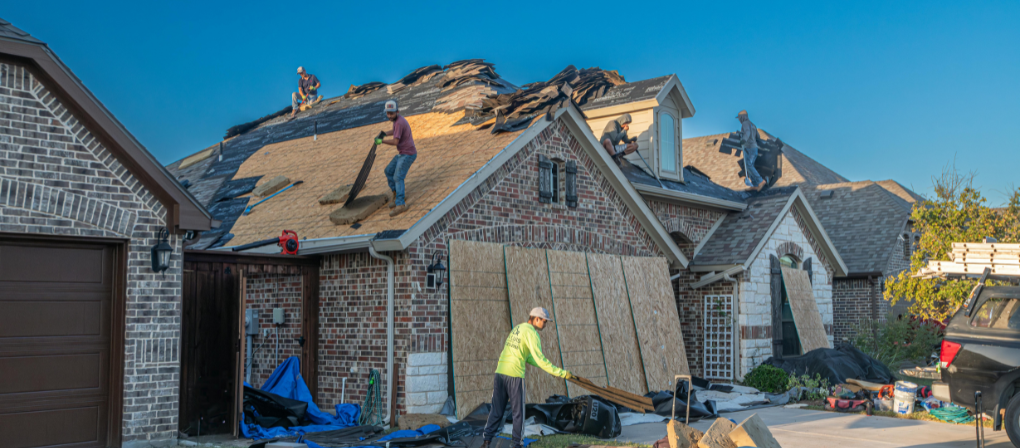
When building or renovating a home in Hermanus, one of the most important decisions you’ll make is choosing the right roofing material. The roof is not only your home’s first line of defence against the elements but also a defining feature of its overall appearance.

Given Hermanus’s unique coastal climate—with its mix of salt-laden air, strong winds, and bright sunlight—selecting the correct roofing materials in Hermanus requires both practicality and local knowledge. 

Your choice will affect your home’s longevity, maintenance requirements, and energy efficiency for years to come.

This guide explores the most popular roofing options available locally—tile, metal, and asphalt—along with their pros and cons in coastal environments, cost comparisons, and where to source reliable materials in the area.

1. Tile Roofing: Classic and Durable

Tile roofing is a timeless choice that adds charm and character to homes while offering impressive longevity. 

Available in clay, concrete, and slate, tiles are particularly suited for architectural styles that define many homes in Hermanus.

Pros of Tile Roofing

  • Durability: Tile roofs can last up to 50 years or more when properly installed.
  • Weather Resistance: Tiles perform well against coastal winds and resist UV degradation.
  • Low Maintenance: They require minimal upkeep once installed.
  • Aesthetic Appeal: Tile roofs add natural texture and color that complement coastal surroundings.

Cons of Tile Roofing

  • Weight: Tiles are heavy, requiring strong structural support.
  • Cost: While cost-effective over time, the initial installation is more expensive than other materials.
  • Fragility: Tiles can crack under pressure or impact from falling debris.

Best Use in Coastal Hermanus

Clay or concrete tiles are excellent for long-term homeowners who value durability and traditional aesthetics. 

Regular inspections and minor maintenance will help prevent salt buildup or moss growth.

2. Metal Roofing: Modern and Resilient

Metal roofing has become increasingly popular in coastal regions like Hermanus due to its strength, light weight, and modern appeal. 

With options such as aluminium, galvanized steel, and Colorbond, metal roofs offer an ideal balance of performance and style.

Pros of Metal Roofing

  • Corrosion Resistance: Special coatings protect against rust and salt damage.
  • Lightweight: Reduces structural strain and installation time.
  • Reflective Properties: Metal roofs reflect sunlight, keeping homes cooler in summer.
  • Longevity: High-quality metal roofing can last between 30 and 50 years.
  • Sustainability: Many metal roofs are made from recycled materials and are fully recyclable.

Cons of Metal Roofing

  • Noise: Rain and hail can create noticeable sound on metal surfaces, though insulation helps reduce this.
  • Cost: Premium finishes or metals like Colorbond or zincalume come at a higher price.
  • Thermal Expansion: Improper installation may lead to movement or noise as temperatures fluctuate.

Best Use in Coastal Hermanus

Metal roofing is highly recommended for coastal homes due to its resistance to salt corrosion and strong winds. 

Aluminium or coated steel are preferred options for durability and low maintenance.

3. Asphalt Roofing: Affordable and Versatile

Asphalt shingles are a cost-effective choice that offers flexibility in design and colour. While not as common in South Africa as in other parts of the world, they remain a viable option for certain residential and commercial buildings.

Pros of Asphalt Roofing

  • Affordability: One of the most budget-friendly roofing materials.
  • Easy Installation: Quick to install, reducing labor costs.
  • Aesthetic Variety: Available in many colors and textures that mimic more expensive materials.

Cons of Asphalt Roofing

  • Shorter Lifespan: Typically lasts 15–25 years, shorter than tile or metal options.
  • Heat Absorption: Can retain heat in direct sunlight, increasing cooling costs.
  • Moisture Vulnerability: In coastal environments, high humidity may reduce its lifespan.

Best Use in Coastal Hermanus

If budget is a major concern, asphalt shingles can be a good short-term roofing solution. 

However, proper underlayment and ventilation are crucial to prevent moisture buildup in Hermanus’s coastal air.

Comparing Costs: Finding the Right Fit for Your Budget

When evaluating roofing materials in Hermanus, it’s essential to consider both upfront and long-term costs.

Roofing Material Average Lifespan Initial Cost Maintenance Coastal Suitability
Tile (Clay/Concrete) 40–50 years High Low Excellent
Metal (Aluminium/Steel) 30–50 years Medium to High Low Excellent
Asphalt Shingles 15–25 years Low Medium Fair

Cost Overview

  • Tile roofing has the highest upfront cost but offers exceptional longevity and low maintenance.
  • Metal roofing provides excellent durability for a moderate price, making it a smart long-term investment.
  • Asphalt shingles are the most affordable initially but may need replacement sooner due to coastal wear.

Ultimately, the best option depends on your home’s design, budget, and how long you plan to stay in the property.

Where to Buy Roofing Materials in Hermanus

Sourcing quality roofing materials in Hermanus is easier when you work with trusted local suppliers who understand coastal building challenges. 

Local experts can help you select the right products, coatings, and finishes for maximum longevity and protection.

Build it Hermanus offers a wide range of roofing products, including:

  • Roof tiles and fittings
  • Galvanized and aluminum roofing sheets
  • Roof sealants and waterproof coatings
  • Insulation and underlayment materials
  • Paints and protective finishes designed for coastal conditions

By purchasing locally, you gain access to expert guidance, reliable brands, and products tested to withstand Hermanus’s climate. 

In addition, local supply reduces delivery times and ensures better after-sales support.

Building for the Coast: A Roof That Lasts

Choosing the right roof is about more than just aesthetics—it’s about protecting your investment against coastal wear and tear. 

Whether you opt for tile, metal, or asphalt, understanding how each performs in the Hermanus climate will help you make an informed decision.

At Build it Hermanus, you’ll find the best roofing materials in Hermanus, along with knowledgeable staff ready to assist you in selecting the right products for your home

From long-lasting tiles to corrosion-resistant metal sheets, your roofing project starts with quality materials and expert advice.

Visit Build it Hermanus today and build with confidence—your coastal roof deserves nothing less.

Categories
Building Materials Roof Sheeting

Roof Sheeting in Hermanus: IBR vs Corrugated, Cut-to-Size Options, and Coastal Tips.

If you’re roofing in Hermanus or the greater Overstrand, choosing the right roof sheeting—and the right supplier—can save you time, money, and callbacks. Here’s your practical guide to IBR vs corrugated, when to choose each, what “cut-to-size” means, and proven tips for coastal wind and corrosion.

What is roof sheeting and what are my options?

  • Corrugated roof sheets: Classic S-profile waves that shed water well and flex slightly in high winds. Great for residential homes, cottages, and outbuildings.
  • IBR roof sheeting: Deeper, wider rib profiles that deliver higher load capacity and a modern look. Often preferred for light commercial, garages, and larger spans.

Build it Hermanus stocks SABS-approved corrugated and IBR roof sheeting with all the accessories you’ll need—and can cut to your specific lengths for a cleaner finish and less wastage. Standard lengths are also available if you prefer. See: Products > Roofing Materials on our site for details (source: Products).

IBR vs Corrugated: how to choose in Hermanus

  • Wind exposure: Both profiles work, but IBR’s deeper ribs offer excellent rigidity on larger spans; corrugated’s flexibility helps disperse gust loads on smaller roofs.
  • Aesthetic: Corrugated gives a classic coastal look; IBR a contemporary, linear profile.
  • Span and structure: For longer spans or fewer purlins, IBR often wins; for smaller roofs and canopies, corrugated is cost-effective and quick.
  • Budget: Corrugated can be the most economical for small to medium projects; IBR may reduce substructure costs on larger spans.

Why cut-to-size matters

  • Less wastage: Order only the lengths you need for your roof plan.
  • Faster install: Fewer cuts on site; cleaner overlaps and eaves lines.
  • Better finish: Tighter fit at ridges, valleys, and barges.

Roof accessories you’ll likely need

  • Fasteners and washers specified for your sheet profile
  • Flashings (ridge, barge, side and end laps)
  • Underlay and insulation (Sisalation; also consider Aerolite/Isotherm for thermal/acoustic comfort)
  • Gutters, downpipes, and water tanks for rainwater management
    These accessories are supported by your broader product set: rainwater goods, insulation, and flat sheet categories (source: Products).

Coastal roofing tips for the Overstrand

  • Specify corrosion-resistant finishes and fasteners suitable for sea air exposure.
  • Use correct side- and end-lap seals to prevent capillary water ingress.
  • Pay attention to purlin spacing per manufacturer spec to resist uplift.
  • Include insulation/vapour barriers to reduce condensation under sheets.
  • Plan your rainwater goods—oversize gutters/downpipes where heavy rainfall and leaf load are expected.

When roof tiles beat sheeting

Concrete roof tiles remain a popular option for aesthetic and acoustic reasons. If your roof design and budget suit tiles, Build it Hermanus can supply from leading manufacturers and arrange deliveries—even truckloads when you need volume (source: Products).

Don’t forget the rest of your roofing system

  • Structural timber (SABS-treated) for trusses, rafters, brandering
  • Waterproofing products for valleys, parapets, and flat roofs
  • Paints and coatings designed for coastal conditions
  • Electrical and lighting for roof/soffit installations
  • Safety gear and tools to work efficiently and safely

Local, fast, and reliable in Hermanus

  • Cut-to-size roof sheeting for a perfect fit
  • SABS-approved materials and reputable accessories
  • Experienced advice for coastal builds
  • Deliveries across Hermanus, Onrus, Sandbaai, Vermont, Hemel-en-Aarde, Stanford, Kleinmond, and the wider Overstrand

How to order roof sheeting today

  • Send your roof plan or lengths for a fast quote
  • Confirm profile (IBR or corrugated), thickness, finish/colour, and accessories
  • Book delivery and offloading time slots that match your install schedule
  • Ask about current promotions and bulk pricing
Categories
Building Materials Hardware Store

Does Build it Hermanus Stock Both Hardware and Building Materials?

Yes — Build it Hermanus proudly stocks both hardware and building materials, making it one of the most comprehensive suppliers for home projects, renovations, and new construction in the Overstrand region. Whether you’re a contractor, DIY enthusiast, or homeowner, you’ll find everything you need under one roof.

Hardware Available at Build it Hermanus

Build it Hermanus is not just a building supplier, but also a trusted hardware store. We carry:

  • Hand Tools – hammers, screwdrivers, tape measures, pliers, chisels
  • Power Tools – drills, grinders, sanders, saws, and accessories
  • Paint & Sealants – indoor/outdoor paints, waterproofing solutions, coastal-protection coatings
  • Plumbing Supplies – taps, fittings, pipes, and bathroom hardware
  • Electrical Hardware – switches, plugs, wires, lighting, and accessories
  • Fasteners & Fittings – screws, bolts, nails, hinges, and locks

Building Materials Available at Build it Hermanus

Alongside hardware, Build it Hermanus offers a full range of construction materials at affordable prices:

  • Cement, Sand & Aggregates – bulk & bag options for small and large projects
  • Bricks & Blocks – for home building, paving, and walls
  • Roofing Materials – roof sheets, tiles, insulation, and waterproofing
  • Timber & Boards – structural timber, plywood, OSB, and treated wood for coastal protection
  • Doors & Windows – interior and exterior solutions to finish off projects

Why Shop at Build it Hermanus?

  • One-Stop Shop – Save time by buying both hardware and building materials in one location.
  • Affordable Prices – Competitive rates on everything from cement to tools.
  • Local Expertise – Advice that’s tailored for Hermanus’s coastal climate.
  • Delivery Service – Fast and reliable delivery to Hermanus, Onrus, Sandbaai, Vermont, and nearby areas.
  • DIY & Contractor Friendly – Whether it’s a quick home repair or full construction job, we’ve got you covered.

Visit Build it Hermanus

When people in Hermanus ask, “Does Build it sell both hardware and building materials?” the answer is a confident YES. From power tools to cement, paint to roofing, you’ll find it all in one store.

Categories
Building Materials

Building Coastal Homes in Hermanus: Why Material Choice Matters

Selecting the right building materials in Hermanus is critical. Whether you’re constructing a new home, renovating an old one, or planning a small addition, the longevity and integrity of your build will depend heavily on the materials you use.

Hermanus, with its spectacular coastal views and mild climate, is one of South Africa’s most desirable places to live. 

However, building a home in this beautiful seaside town comes with a unique set of challenges. 

Salt-laden air, high humidity, strong winds, and harsh UV exposure all contribute to faster wear and tear on building materials.

In this article, we’ll highlight five essential materials that are especially suited for coastal conditions—and explain why sourcing them locally makes all the difference.

1. Durable Timber for Structural and Decorative Use

Timber is a popular material for both structure and aesthetic finishes. However, not all wood is created equal—especially when it comes to coastal applications.

Why it matters:
High humidity and salt air accelerate wood rot, warping, and insect damage.

Recommended timber options:
  • Treated Pine: Affordable and widely available but must be properly treated for coastal use.
  • Balau and Meranti: Hardwoods with natural resistance to decay and pests.
  • Composite Decking: A smart alternative that mimics wood but lasts longer with less maintenance.
Best uses:
  • Cladding
  • Decking and railings
  • Pergolas and outdoor furniture

By choosing durable, pressure-treated or hardwood timber, homeowners in Hermanus can prevent early deterioration and reduce long-term maintenance costs.

2. Corrosion-Resistant Metals for Coastal Durability

Metal components are essential in construction, but they are particularly vulnerable to corrosion in coastal environments. 

Salt in the air acts as a catalyst for rust, which can severely compromise both aesthetics and structural safety.

Why it matters:
Unprotected or standard metals deteriorate quickly, leading to safety hazards and expensive repairs.

Top choices for coastal applications:
  • Stainless Steel (Grade 316): Highly resistant to salt corrosion.
  • Aluminium: Lightweight and rust-resistant, ideal for window frames and roofing.
  • Galvanised Steel: Affordable and treated to prevent rust, suitable for brackets and support beams.
Ideal uses:
    • Roof sheeting and gutters
    • Structural fixings and fasteners
  • Handrails and balustrades

When selecting metal, always verify that it’s rated for coastal exposure, and ensure proper coatings are applied if needed.

3. UV-Resistant Exterior Paint for Lasting Colour and Protection

In Hermanus, the sun can be as damaging as the sea. Prolonged UV exposure fades standard paints, causes chalking, and weakens protective coatings on exterior surfaces.

Why it matters:
Regular paint can blister, fade, or crack in direct sunlight, shortening your home’s maintenance cycle.

Recommended paint types:
  • UV-Resistant Acrylic Paint: Offers flexibility and strong adhesion, making it ideal for coastal climates.
  • Elastomeric Coatings: Designed to stretch and move with your home, especially effective on walls that expand and contract due to heat.
Surfaces to protect:
  • External walls
  • Roofs and eaves
  • Fencing and wood trim

Investing in high-quality, UV-resistant paint helps maintain your home’s appearance while extending the life of your surfaces.

4. Marine-Grade Sealants and Waterproof Cladding

Coastal homes are particularly vulnerable to moisture infiltration, which can lead to rot, mould, and interior damage. 

That’s why sealing and cladding are essential components in your building strategy.

Why it matters:
Even the smallest gap can allow moisture inside, leading to hidden damage over time.

Best materials:
  • Marine-Grade Silicone Sealants: Remain flexible, waterproof, and unaffected by salt spray.
  • Fibre Cement Cladding: Combines weather resistance with a clean, modern look.
  • Vinyl or Composite Cladding: Lightweight, low-maintenance, and durable in wet conditions.
Application areas:
    • Exterior wall joints

Using high-performance sealants and weather-resistant cladding materials will protect your home’s structure and reduce long-term maintenance.

5. Locally Available Building Materials and Suppliers

One of the smartest ways to ensure your materials are fit for purpose is to source them from suppliers who understand local conditions

Coastal building expertise isn’t just about selling products—it’s about offering informed recommendations based on years of regional experience.

Why local sourcing helps:

  • Products that have been tested in local weather conditions
  • Access to support, installation advice, and product guarantees

What to look for:

  • Brands that offer coastal-rated warranties
  • In-stock availability for quick project execution

At Build it Hermanus, you’ll find everything you need under one roof—from timber and sealants to roofing and insulation. 

More importantly, you’ll receive product guidance tailored specifically to the Hermanus climate and building environment.

Coastal Building Starts with the Right Materials

When building in a region as unique as Hermanus, choosing the correct materials is not just important—it’s essential. 

The salty air, sun exposure, and shifting climate conditions demand more from your home’s construction.

By selecting:

  • Durable, treated timber
  • Corrosion-resistant metals
  • UV-resistant paints
  • Weatherproof sealants and cladding
  • And sourcing these building materials in Hermanus from reliable local suppliers…

You can rest assured that your home will remain strong, stylish, and protected for years to come.

Visit Build it Hermanus for trusted advice, coastal-rated materials, and a wide selection of quality products to bring your coastal home to life with confidence.

Categories
Building Materials

Hermanus Building Materials: Everything You Need to Know for Your Next Project.

When planning any construction or renovation project, one of the most critical decisions you will face is choosing the right building materials

Whether you’re constructing a new home, doing a small remodel, or working on a large-scale commercial project, the quality, type, and durability of building materials you select can make or break the outcome. 

At Build it Hermanus, we’re dedicated to helping our customers understand their options when it comes to building materials, ensuring they make informed decisions for their projects.

In this comprehensive guide, we will explore the different types of building materials, their uses, and the benefits of selecting the right products. 

By the end of this article, you’ll have a solid understanding of what materials are best suited for your construction needs and how choosing wisely can save you time, money, and effort in the long run.

What Are Building Materials?

Building materials refer to the substances used in the construction and maintenance of buildings. 

These materials range from natural products like wood, stone, and clay to synthetic products such as steel, cement, and plastic. 

The selection of building materials varies based on factors like the project’s size, the location, weather conditions, and the type of structure being built.

Why Are Building Materials Important?

The right building materials ensure the safety, longevity, and aesthetic appeal of a structure. 

High-quality materials offer durability, energy efficiency, and resistance to environmental factors, while poor-quality materials can lead to structural failures and expensive repairs. 

Furthermore, the materials you choose will impact the building’s appearance, thermal efficiency, and overall performance.

Types of Building Materials and Their Uses

1. Concrete and Cement

Concrete is one of the most widely used building materials globally due to its versatility, strength, and durability. 

It’s used for foundations, walls, floors, and outdoor paving. Cement is the key ingredient in concrete, acting as the binding agent. 

When mixed with sand, gravel, and water, it creates concrete that can withstand heavy loads and resist environmental damage.

  • Benefits: High strength, durability, resistance to fire and water, long lifespan.
  • Common Uses: Foundations, roads, bridges, driveways, walls.

2. Bricks and Blocks

Bricks and blocks are traditional building materials commonly used for constructing walls, partitions, and load-bearing structures. 

Available in a variety of materials like clay, concrete, and fly ash, bricks are known for their strength, fire resistance, and sound insulation properties.

  • Benefits: Energy-efficient, fire-resistant, easy to maintain, cost-effective.
  • Common Uses: Residential and commercial walls, garden pathways, chimneys.

3. Wood and Timber

Wood is one of the oldest and most natural building materials used in construction. It’s valued for its beauty, flexibility, and thermal insulation properties. 

Timber, in particular, is used for structural purposes such as framing, roofing, and flooring. 

However, wood requires treatment to resist moisture and pests, especially in outdoor applications.

  • Benefits: Renewable, eco-friendly, aesthetically pleasing, strong yet lightweight.
  • Common Uses: Structural framing, roofing, flooring, furniture.

4. Steel and Metal

Steel is a popular building material for its incredible strength, flexibility, and resistance to environmental factors. 

It’s commonly used in commercial and industrial projects but is also increasingly utilized in modern residential construction. 

Metals like aluminium and copper are used for roofing, siding, and electrical applications due to their lightweight nature and corrosion resistance.

  • Benefits: High strength-to-weight ratio, recyclable, durable, fire-resistant.
  • Common Uses: Steel frames, roofing, staircases, doors, structural beams.

5. Glass

Glass has become a popular choice for modern buildings due to its aesthetic appeal and ability to provide natural lighting. 

It’s used for windows, doors, partitions, and facades. With advancements in technology, glass can now be treated to provide thermal insulation, UV protection, and increased strength.

  • Benefits: Allows natural light, energy-efficient, soundproofing, modern appearance.
  • Common Uses: Windows, doors, facades, skylights, room partitions.

6. Insulation Materials

Insulation is critical for maintaining energy efficiency in a building. Proper insulation helps control temperature, reducing energy consumption for heating and cooling. 

Common insulation materials include fiberglass, foam, and cellulose, which can be installed in walls, roofs, and floors.

  • Benefits: Energy-efficient, reduces heating and cooling costs, soundproofing.
  • Common Uses: Wall cavities, attics, basements, floors.

7. Plastic and Composites

Plastic materials, including PVC and composites, are widely used in construction for piping, electrical insulation, and siding. 

These materials are lightweight, easy to install, and resistant to corrosion and chemical exposure. Composites like fiberglass are used for their strength and durability in roofing and flooring.

  • Benefits: Corrosion-resistant, lightweight, cost-effective, versatile.
  • Common Uses: Pipes, windows, doors, flooring, electrical conduits.

How to Choose the Right Building Materials

Selecting the right building materials for your project depends on several factors. Here are some key considerations to keep in mind:

1. Project Requirements

The type of project you’re working on will largely determine the materials you need. For example, building a house will require different materials than renovating a bathroom or constructing a deck.

2. Climate and Location

Consider the climate where the building is located. Certain materials perform better in specific environments. 

For example, timber may be ideal in dry climates, while steel or concrete might be better suited for areas with high humidity or seismic activity.

3. Budget

Budget is always an important factor. However, it’s essential to balance cost with quality. 

Investing in high-quality building materials may increase your upfront costs but will save you money on repairs and maintenance in the long run.

4. Sustainability

Many modern builders are turning to sustainable building materials to reduce the environmental impact of construction. 

Choosing eco-friendly options like reclaimed wood, recycled metal, or low-VOC paints can help create energy-efficient, green buildings.

5. Aesthetic Preferences

The visual appeal of building materials is another factor. Natural stone, wood, and glass offer a timeless look, while composite materials and metal can provide a sleek, modern finish.

Benefits of Using High-Quality Building Materials

Choosing high-quality building materials offers a range of benefits that go beyond aesthetics and cost savings. Here are some key advantages:

  • Durability: Quality materials last longer, reducing the need for repairs and replacements.
  • Energy Efficiency: Proper insulation and high-performance windows can drastically reduce energy bills.
  • Safety: Using reliable materials ensures that the structure meets safety standards and can withstand environmental stressors.
  • Resale Value: A well-constructed building made from quality materials typically has a higher resale value.
  • Sustainability: Environmentally friendly materials help reduce the carbon footprint of a building and promote sustainable living.

When embarking on a construction or renovation project, the right building materials are key to its success. 

From the foundation to the roof, every component of a structure depends on the quality and suitability of the materials used. 

At Build it Hermanus, we offer a wide range of building materials that meet the highest standards of quality and performance. 

Whether you’re a contractor working on a large-scale project or a homeowner undertaking a DIY renovation, we have the products and expertise to help you every step of the way.

Build it right with Build it Hermanus!

Follow us on social media, to stay up to date with our latest sizzling specials and promotional offers.

Build it Hermanus offers added value services in respect of hardware retailing; embracing all activity within the building materials industry, focusing specifically on the building of; urban, township, rural housing as well as all home improvements and do it yourself.

Build it is a division of the SPAR Group Limited South Africa. A voluntary trading group of individually owned retail stores with more than 10 000 employees across the group, we currently have stores in South Africa, Namibia, Swaziland, Lesotho and Mozambique with plans to expand into Botswana and Zambia in the near future. We view ourselves not only as a supplier of materials, but as a partner to our valued customers in accomplishing their building or renovating projects.

Categories
Building Materials

All About Bricks, A Comprehensive Guide to Building Materials.

Bricks, the fundamental building blocks of modern masonry structures, have stood the test of time as a reliable and versatile building material.  In this comprehensive guide, we will delve into the intricacies of various types of bricks for sale, their manufacturing processes, and their applications. 

Whether you’re a seasoned builder or a DIY enthusiast, understanding the nuances of bricks is essential for successful construction projects. 

Join us on this educational journey as we explore the world of bricks, from the ancient sun-dried varieties to the advanced engineering bricks of today.

What Is Brick?

At its core, a brick is a rectangular block of uniform size, hardened through either heating or chemical processes. Bricks serve as the foundation for diverse masonry structures, offering durability and versatility. 

The market boasts various types of bricks, including clay bricks (1st class, 2nd class, etc.), solid or hollow bricks, interlocking bricks, concrete bricks, and more.

Types of Bricks

1. Clay Bricks

Sun-Dried Bricks or Unburnt Bricks

Advantages:
  • Easy to make.
  • Cost-effective.
Disadvantages:
  • Low compressive strength.
  • Unsuitable for permanent structures.
  • Burnt Bricks

A. First Class Bricks

The first-class bricks are the highest quality burnt bricks, table moulded, wire cut, heated in kilns and allowed to dry. These bricks are uniform in shape and colour and have properly defined edges. First class bricks are used for pavements, walls of permanent structures, and for ornamental purposes.

Advantages:
  • High compressive strength (minimum 10.5 N/mm2).
  • Suitable for permanent structures.
  • Uniform shape and colour.
  • Ideal for load-bearing walls.
Disadvantages:
  • Not suitable for freeze-thaw conditions.
  • Slight expansion over time.
  • Prone to chemical attacks.

Properties Of First-Class Bricks

        1st Class Bricks             Properties
1Type Class 1
2. Feature Table moulded.
3. Shape & Size Standard and uniform (rectangular).
4. Surface & Edges Sharp, smooth, square, and straight.
5. Colour Uniform red or brown.
6. Maximum Water Absorbing 15% of its self-weight when submerged in water for 24 hours.
7. Crushing Strength 105 kg/cm2
8. Making Process Burnt in kilns.
9. Use Permanent and superior work.


B. Second Class Bricks

These types of brick are made using the same method but may be slightly over burnt, with slight hair cracks and small irregularities on the surface. This type of brick is usually used in buildings where the walls will be plastered, as a brick ballast in concreting and in some load-bearing buildings.

Advantages:
  • Cost-effective.
  • Suitable for plastered permanent structures.
  • Usable in single-storeyed load-bearing buildings.
Disadvantages:
  • Higher water absorption (22%).
  • Less defined edges.
  • Lower compressive strength (7 N/mm2).

Properties Of Second-Class Bricks

     2nd Class Bricks             Properties
1. Type Class 2
2. Feature Table moulded.
3. Shape & Size Irregular
4. Surface & Edges Rough, uneven faces, may consist of hairline cracks.
5. Colour Uniform colour.
6. Maximum Water Absorbing 22% of its self-weight when submerged in water for 24 hours.
7. Crushing Strength 70 kg/cm2
8. Making Process Burnt in kilns and sometimes may be slightly over burnt.
9. Use Used in internal walls. (Plaster or coating is required.


C. Third Class Bricks

These types of brick are table moulded but burnt in clamps instead of kilns, which makes then slightly under burnt, this imparts poor quality to the bricks. These types of bricks are used for non-load bearing walls, boundary walls, low-rise walls, etc,

Advantages:
  • Economical.
Disadvantages:
  • Higher water absorption (25%).
  • Unsuitable for heavy rainfall areas.
  • Lack well-defined edges.
  • Lower compressive strength (3.5 N/mm2).

Properties Of 3rd Class Bricks

      Third Class Bricks                   Properties
1. Type Class 3
2. Feature Ground moulded.
3. Shape & Size Non-uniform
4. Surface & Edges Irregular and distorted edges.
5. Colour Non-uniform and dark.
6. Maximum Water Absorbing 25% of its self-weight when submerged in water for 24 hours.
7. Crushing Strength 30 kg/cm2.
8. Making Process Burnt in kilns and may be overburnt or under burnt.
9. Use Used in temporary structures.


D. Fourth Class Bricks

Disadvantages:
  • Over-burnt and weak.
  • Non-uniform shape, size, and colour.
  • Suitable for filling material or ground into powder for other uses.

2. Sand Lime or Calcium Silicate Bricks

Advantages:

  • Ideal for ornamental purposes due to various colours.
  • Compressive strength of 10 N/mm2.
  • Smooth finish requires less plastering.
  • Greater fire resistance.
  • Provides sound insulation.

Disadvantages:

  • Low abrasive strength, unsuitable for wearing surfaces.
  • May shrink after placing, requiring special considerations.

3. Concrete Bricks

Advantages:

  • Higher compressive strength than clay bricks.
  • Pleasing appearance suitable for facades.
  • Smooth finish requires less plastering.
  • Greater fire resistance.

Disadvantages:

  • Shrinkage makes them unsuitable for foundations.
  • Limited lifespan (approximately 65 years).
  • Prone to acid attack and efflorescence.
  • Greenhouse gas emissions during manufacturing.

4. Fly Ash Bricks

Advantages:

  • Replaces clay with fly ash, a waste product.
  • More resistant to freeze-thaw cycles.
  • Higher compressive strength (30 N/mm2).
  • Reduces mercury pollution.
  • Cost-effective and quick production.
  • Low water absorption.
  • Light in weight, reducing foundation costs.
  • No need for soaking before usage.

Disadvantages:

  • Compatibility issues with all fly ash types.
  • Bonding may be less due to smooth finishes.

5. Fire Bricks

Advantages:

  • Low thermal coefficient of expansion.
  • High strength and resistance to palling.

Disadvantages:

  • Costly.
  • High water absorption.
  • Limited aesthetic applications.

Uses:

  • Chimneys, boilers, kilns, and furnaces.

6. Engineering Bricks

Advantages:

  • Suitable for cold weather regions.
  • Applicable in underground construction.

Disadvantages:

  • Lacks pleasing appearance.
  • Higher cost than clay bricks.

The world of bricks is vast and diverse, offering options to suit various construction needs. From the ancient sun-dried bricks used in temporary structures to the advanced engineering bricks with high compressive strength, each type has its unique characteristics and applications. 

As a leading building materials retailer, Build it Hermanus is committed to providing high-quality bricks and expert advice for your construction projects. Visit our store today to explore our extensive range of building materials and embark on your next construction endeavour with confidence. 

Build it right with Build it Hermanus. Log on to our online store, and shop from the comfort of your home: www.buildit-store.co.za

Follow us on social media, to stay up to date with our latest sizzling specials and promotional offers! Build it Hermanus offers added value services in respect of hardware retailing; embracing all activity within the building materials industry, focusing specifically on the building of; urban, township, rural housing as well as all home improvements and do it yourself.

Categories
Building Materials Exterior Building Materials

Unveiling the Advantages and Disadvantages of Exterior Building Materials: Siding, Roofing, and Windows

At Build it Hermanus, we understand the importance of choosing the right exterior building materials for your construction or renovation project. Exterior materials not only safeguard your building from the elements but also contribute to its aesthetics and energy efficiency. 

In this comprehensive guide, we will explore various types of exterior building materials, discussing their advantages and disadvantages, to help you make informed decisions for your next project.

Types of Siding

Vinyl Siding:

Benefits: Vinyl siding is affordable, low-maintenance, and available in a wide range of colours and styles. It is resistant to rot, insects, and fading.

Drawbacks: It may not have the same aesthetic appeal as other materials, and it can be less durable in extreme weather conditions.

Wood Siding:

Benefits: Wood siding offers a classic, natural appearance. It can be painted or stained to achieve the desired look. It is biodegradable and environmentally friendly.

Drawbacks: It requires regular maintenance, including staining or painting. Wood can be susceptible to rot, pests, and weather damage if not properly maintained.

Fiber Cement Siding:

Benefits: Fiber cement siding combines the aesthetics of wood with the durability of cement. It is fire-resistant, termite-proof, and low-maintenance.

Drawbacks: It can be heavier and more labour-intensive to install. It may also be more expensive than vinyl siding.

Types of Roofing

Asphalt Shingles:

Benefits: Asphalt shingles are cost-effective, widely available, and easy to install. They come in a variety of colours and styles.

Drawbacks: They have a shorter lifespan compared to some other roofing materials and may not be as energy efficient.

Metal Roofing:

Benefits: Metal roofing is highly durable, energy-efficient, and environmentally friendly. It can last for decades with minimal maintenance.

Drawbacks: It tends to be more expensive upfront, and some people may not prefer its industrial appearance.

Slate Roofing:

Benefits: Slate roofing is incredibly durable and offers a timeless, elegant look. It can last over a century with proper care.

Drawbacks: It is one of the most expensive roofing materials, and it requires skilled professionals for installation and repair.

Types of Windows

Vinyl Windows:

Benefits: Vinyl windows are cost-effective, energy-efficient, and low-maintenance. They come in various styles and offer good insulation.

Drawbacks: They may not have the same aesthetic appeal as other materials, and their colour choices can be limited.

Wood Windows:

Benefits: Wood windows provide a classic and warm appearance. They are customizable and can be stained or painted to match your decor.

Drawbacks: They require regular maintenance, including painting and sealing. Wood is susceptible to rot if not properly cared for.

Aluminium Windows:

Benefits: Aluminium windows are durable, low-maintenance, and resistant to corrosion. They are often used in modern and industrial designs.

Drawbacks: They can be less energy-efficient than vinyl or wood windows and may not provide the same level of insulation.

The choice of exterior building materials is a significant decision in any construction or renovation project. It impacts not only the building’s durability and protection but also its aesthetic appeal and energy efficiency. By understanding the various types of siding, roofing, and windows, along with their benefits and drawbacks, you can make informed choices that align with your project’s goals. 

At Build it Hermanus, we offer a wide selection of high-quality exterior building materials to meet your specific needs. Whether you prioritize durability, energy efficiency, or design, we have the materials to bring your vision to life.

Pop into your local Build it Hermanus today, for building materials, do-it-yourself home improvement tools, and expert advice. Get a Quote today: https://www.buildit-hermanus.co.za/get-a-quote/

Or log on to our online store, and shop from the comfort of your home: www.buildit-store.co.za Follow us on social media, to stay up to date with our latest sizzling specials and promotional offers!

Build it Gansbaai/Hermanus offers added value services in respect of hardware retailing; embracing all activity within the building materials industry, focusing specifically on the building of; urban, township, rural housing as well as all home improvements and do it yourself.


Categories
Aluminium Windows

Aluminium Windows vs. Wooden Windows! Which is the Right Choice for Your Home?

When it comes to selecting windows for your new home, there are numerous options to consider. Two popular choices are aluminium windows and wooden windows. 

Each material offers distinct advantages and disadvantages. In this article, we will explore the features, benefits, and drawbacks of both aluminium and wooden windows, helping you make an informed decision for your dream home.

Aluminium Windows:

Aluminium windows have gained popularity in recent years due to their modern aesthetics and durability. Here are some key advantages and disadvantages of aluminium windows:

Advantages:

Strength and Durability: 

Aluminium windows are known for their exceptional strength, making them highly resistant to weather conditions, such as heavy winds and storms. They are also resistant to rot, corrosion, and insect damage, ensuring longevity.

Low Maintenance: 

Unlike wooden windows, aluminium windows require minimal upkeep. They do not need to be repainted or stained, and regular cleaning is as simple as wiping them down with a damp cloth.

Design Versatility: 

Aluminium windows offer a sleek, contemporary appearance that complements modern architectural styles. They come in a wide range of designs, including sliding, casement, and awning windows, providing flexibility in matching your home’s aesthetic.

Disadvantages:

Thermal Conductivity: 

Aluminium is a metal known for its high thermal conductivity. Without proper thermal breaks, aluminium windows can transfer heat and cold more readily, potentially affecting energy efficiency. 

However, modern aluminium windows often include thermal breaks or insulation to address this issue.

Cost: 

Compared to wooden windows, aluminium windows can be more expensive initially. However, their long-term durability and low maintenance requirements can offset this cost over time.

Wooden Windows:

Wooden windows have a timeless charm and a natural beauty that many homeowners find appealing. Let’s explore their advantages and disadvantages:

Advantages:

Aesthetics: 

Wooden windows add a warm and traditional touch to any home. They provide a classic look and feel that can enhance the overall architectural appeal, especially in rustic or traditional designs.

Insulation: 

Wood has excellent natural insulation properties, making wooden windows more energy-efficient than aluminium. They offer better thermal performance, reducing heat transfer and minimizing energy consumption.

Customization: 

Wood is highly customizable, allowing you to create unique window designs to match your specific preferences and architectural style.

Disadvantages:

Maintenance: 

Wooden windows require regular maintenance to protect them from moisture, rot, and pests. They need to be regularly painted or stained to maintain their appearance and durability. Neglecting maintenance can lead to premature deterioration.

Vulnerability to Weather: 

Wood is susceptible to warping, swelling, and rotting when exposed to harsh weather conditions. Proper sealing and regular maintenance are crucial to ensure the longevity of wooden windows. Choosing between aluminium windows and wooden windows ultimately depends on your priorities, budget, and architectural style. 

Aluminium windows offer durability, low maintenance, and modern aesthetics, while wooden windows provide timeless charm, natural insulation, and customization options. Consider factors such as climate, maintenance requirements, energy efficiency, and your personal style preferences when making a decision. By weighing the advantages and disadvantages of both options, you can select the perfect windows for your new home.

Remember, whether you opt for aluminium or wooden windows, selecting high-quality materials and professional installation is vital to ensure their long-term performance and enhance your home’s overall comfort and beauty.

Pop into your local Build it Hermanus today, for building materials, do-it-yourself home improvement tools, and expert advice. Learn more about our product selection here, Build it Hermanus products.

Or log on to our online store, and shop from the comfort of your home: www.buildit-store.co.za

Follow us on social media, to stay up to date with our latest sizzling specials and promotional offers! 

Categories
Natural Stone News Tips

The Latest Trends in Kitchen Countertops: A Stylish and Functional Update

The kitchen is the heart of the home, and the countertops are its centerpiece. Not only do kitchen countertops serve as functional work surfaces, but they also play a significant role in defining the style and ambiance of your space. If you’re considering a kitchen renovation or simply looking to update your countertops, it’s essential to stay on top of the latest trends in countertop materials. In this article, we will explore popular materials like granite, quartz, marble, and concrete, discussing their features, durability, design possibilities, and providing insights into choosing the perfect countertop for a modern kitchen.

Granite Countertops

Granite countertops continue to be a sought-after choice for their natural beauty and durability. Each slab of granite is unique, showcasing intricate patterns and colors that add character to your kitchen. Granite is heat and scratch-resistant, making it an excellent choice for a busy kitchen. With proper sealing, granite countertops are also resistant to stains and easy to clean. Whether you prefer classic hues or bold tones, granite offers a wide range of options to suit your style.

Quartz Countertops

Quartz countertops have gained immense popularity in recent years due to their versatility and low maintenance. As an engineered stone, quartz combines natural quartz crystals with resins, resulting in a non-porous surface that is resistant to stains, scratches, and heat. Quartz countertops offer a wide array of colors and patterns, including marble-like veining and solid hues. With its durability and easy upkeep, quartz is an ideal choice for those seeking a stylish and hassle-free countertop option.

Marble Countertops

Marble countertops exude elegance and timeless beauty. Known for their unique veining patterns, marble adds a luxurious touch to any kitchen. While marble is more porous than granite or quartz, it can be sealed to protect against stains and etching. It’s important to note that marble requires regular maintenance and care to preserve its pristine appearance. If you’re willing to put in the effort, marble countertops can elevate your kitchen to a whole new level of sophistication.

Concrete Countertops

Concrete countertops offer a sleek and contemporary look, perfect for modern kitchen designs. Concrete allows for endless design possibilities, including custom shapes, textures, and integrations like sinks and drainage boards. With the right sealing, concrete countertops are highly resistant to heat, scratches, and stains. They can be pigmented to match any color scheme and can be polished for a smooth finish or left with a more industrial look. Concrete countertops are a unique and artistic choice for those looking to make a statement in their kitchen.

When choosing the perfect countertop for your modern kitchen, consider factors such as your lifestyle, desired aesthetic, and maintenance requirements.

At Build it Hermanus, we offer a wide selection of high-quality building materials to suit your needs and preferences. Our knowledgeable team is here to guide you in making the right choice for your kitchen renovation project, visit us in-store today for expert advice.

Whether you prefer the natural elegance of granite, the versatility of quartz, the timeless beauty of marble, or the contemporary appeal of concrete, we have the perfect countertop solution for you.